Building Your Clause Library: Best Practices from Top Firms
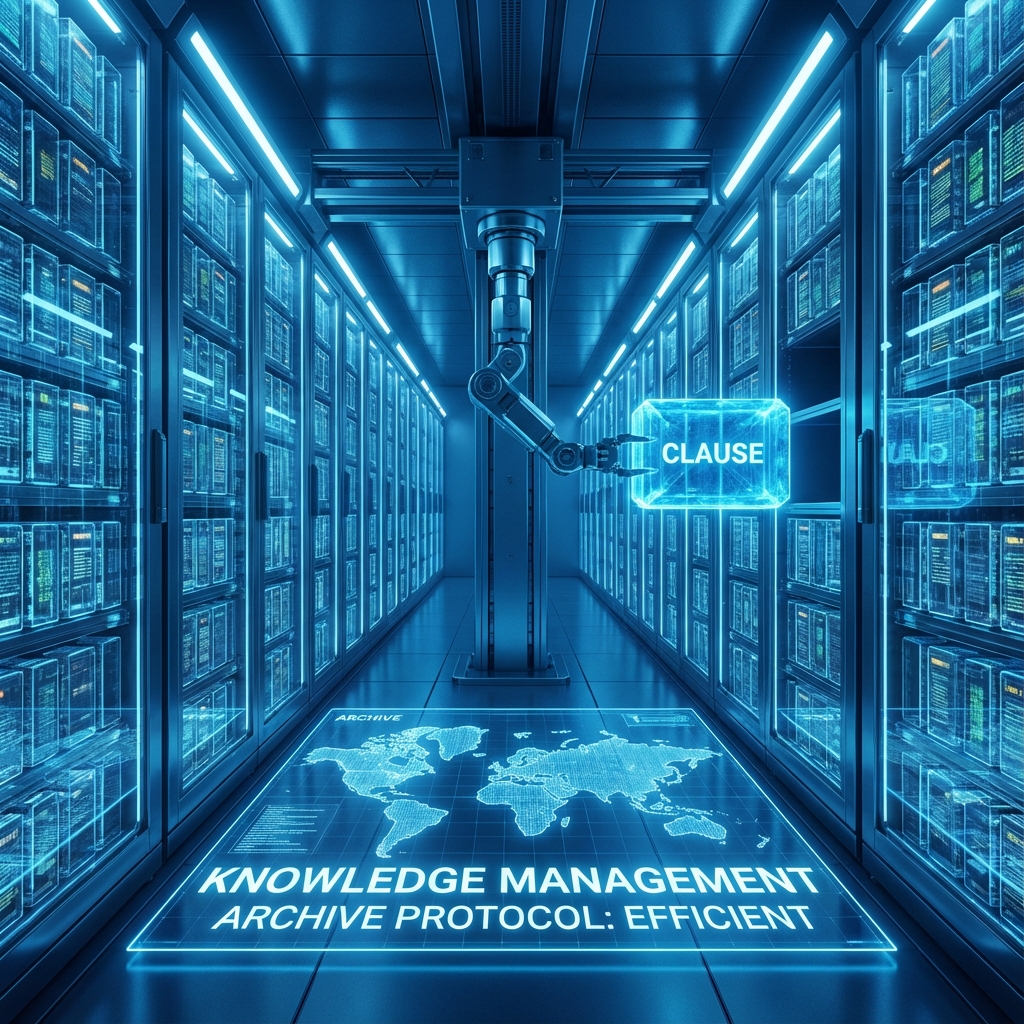
Every time a lawyer drafts a provision from memory or copies it from a previous client's file, they introduce risk. Is this the latest version? Did I remove the client-specific names?
A Clause Library solves this by componentizing your best language. Instead of "documents," you manage "blocks" of text that are vetted, approved, and ready to deploy.
Key Concepts
Treat your legal language as a software library.
- Modular Drafting — Building documents from small, reusable Lego blocks rather than monolithic templates.
- Single Source of Truth — Fixing a typo in one clause updates it everywhere that clause is used.
- Institutional Memory — Capturing the wisdom of senior partners in the library so it doesn't walk out the door when they retire.
Stop Reinventing the Wheel
You should never write a "Spendthrift Provision" twice. Write it once, perfect it, save it to the library, and reference it.
This ensures that every associate in the firm is drafting with the skill of the senior partner who approved the library. It democratizes quality across the firm.
Version Control
When suretyship laws change, do you know which documents need updating? With a Clause Library, you update the "Surety Waiver" block. The system tracks where it was used, allowing for proactive client alerts.
It transforms your document base from a static archive into a living database.
Conclusion
A Clause Library is the intellectual capital of your firm, crystallized. By organizing and maintaining it, you turn your expertise into a tangible asset that scales.
Frequently Asked Questions
How do we start?
Don't try to do everything. Start with your 10 most used clauses (e.g., choice of law, severability) and build out.
Who maintains it?
A dedicated "Knowledge Manager" or a committee of partners must approve changes to the library.
Sources & Further Reading
Read More Articles
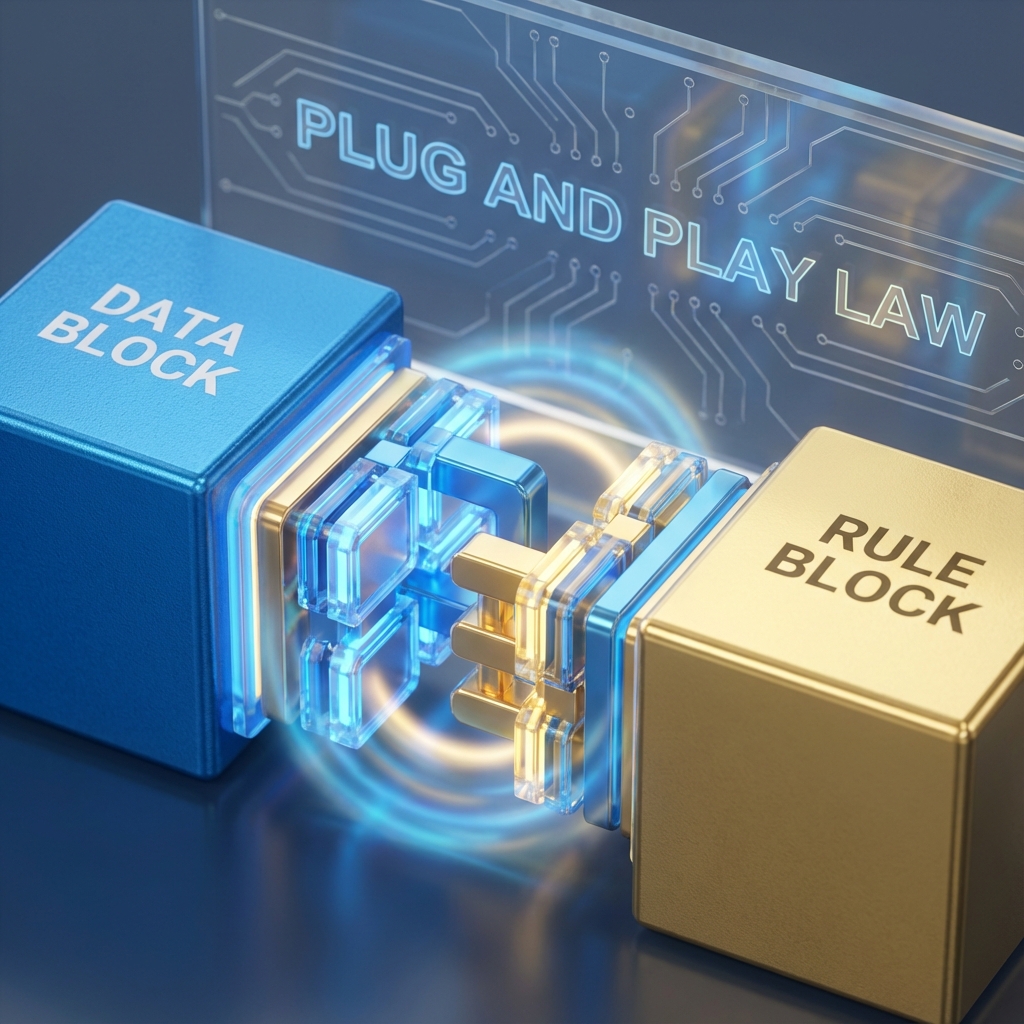
How four specialized components turn complex legal rules into deterministic, client-ready documents using the Velcro Model of Law.
Read Article
Ontology as Infrastructure
Why a legal ontology is not a taxonomy, and why it must behave more like infrastructure than metadata.
Read Article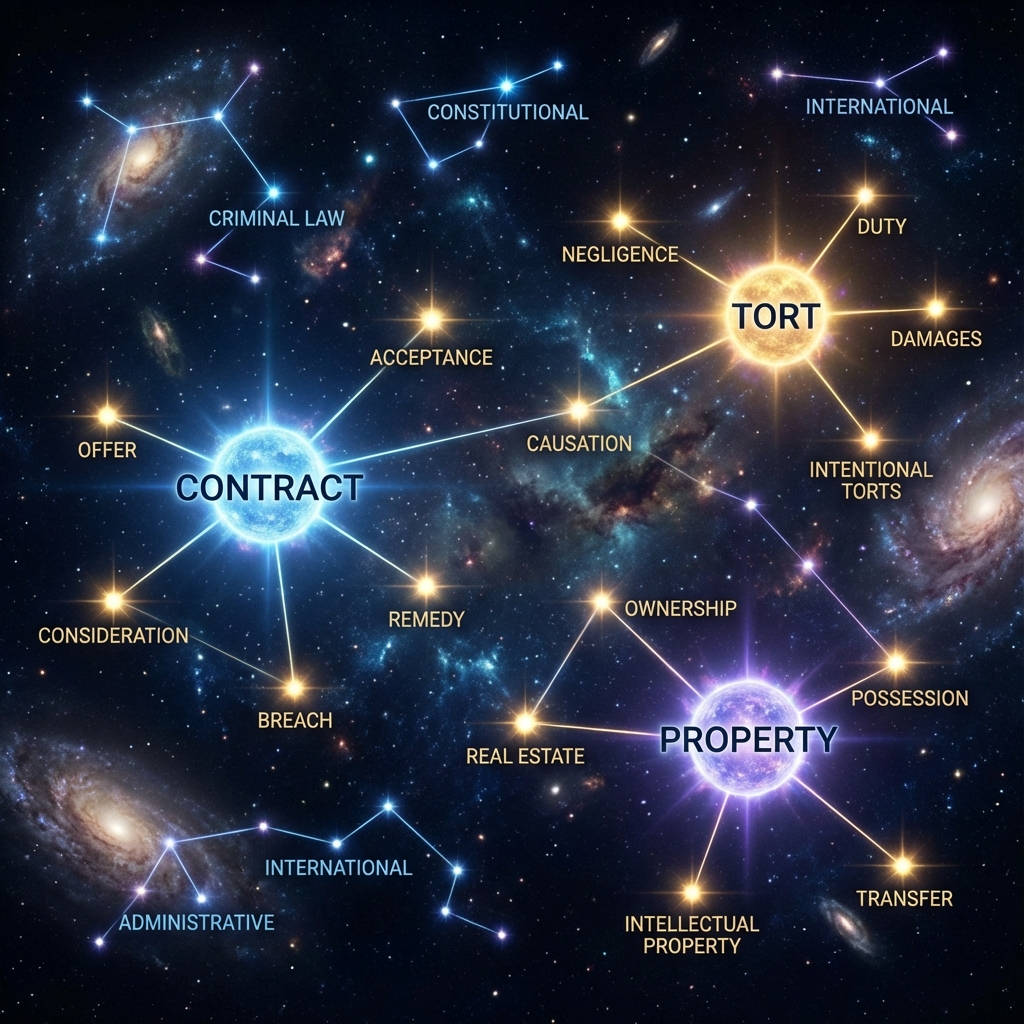
Mapping the Legal Universe
How we extract, filter, and map rules of law across statutes to build a navigable legal universe.
Read Article